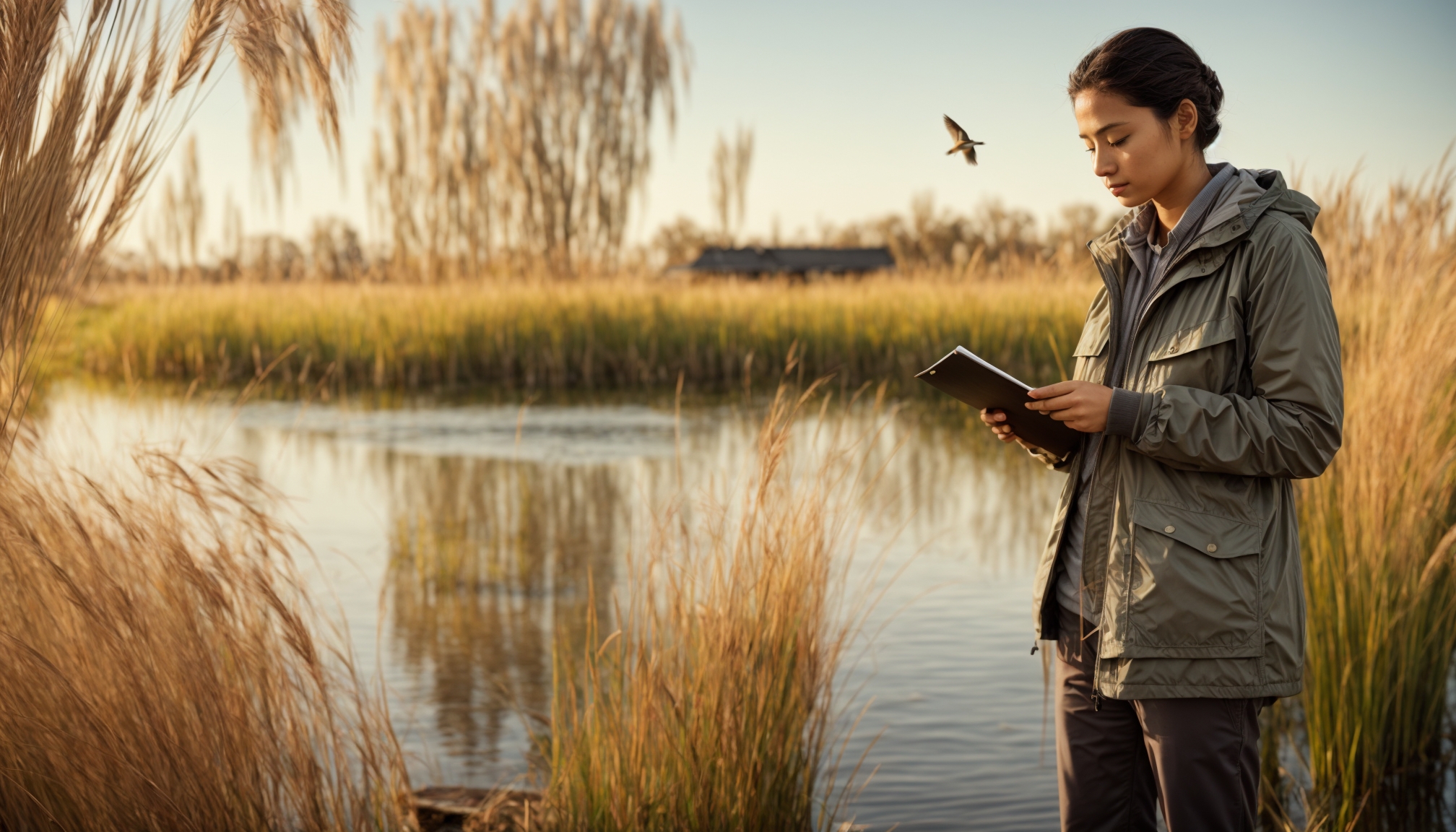
Top Tens Things – Urban nature wins 2025 gained momentum as cities expanded habitat corridors, revived wetlands, and redesigned public space to support biodiversity alongside daily life.
Across 2025, local governments paired ecological targets with practical infrastructure upgrades. Stormwater projects doubled as wetland restoration, and heat-mitigation plans added native tree canopies rather than decorative plantings. As a result, urban projects delivered measurable biodiversity benefits while also lowering flood risk and improving air quality.
Scientists and city ecologists also emphasized “connectivity,” linking parks, riversides, and pocket habitats into continuous routes. This matters because many species avoid isolated green islands. Meanwhile, better monitoring—camera traps, acoustic sensors, and citizen reporting—helped agencies adjust management quickly.
1) River daylighting and naturalized banks: Several cities restored buried or channelized streams, replacing concrete edges with vegetated slopes and shallow shelves. This created safer breeding zones for amphibians and improved water quality through filtration.
2) Wetland comeback through stormwater retrofits: Retention basins were redesigned into functional wetlands with native reeds and fluctuating water levels. Because these sites store runoff, they reduced peak flooding while providing habitat for birds and insects.
3) Pollinator corridors along transit lines: Plantings on medians, tram rights-of-way, and station gardens formed continuous nectar routes. In addition, reduced mowing schedules let flowering cycles complete, supporting seasonal pollinator needs.
4) Rooftop habitat standards for new builds: Some jurisdictions tightened green-roof guidance to require native species, varied substrate depth, and water features. That shift improved survival rates for rooftop invertebrates and boosted bird foraging opportunities.
5) Night-light reforms in sensitive zones: Parks near waterways adopted warmer, shielded lighting and curfews to reduce disruption to nocturnal wildlife. Nevertheless, safety goals remained in place through targeted illumination on paths and entrances.
6) Urban forestry with biodiversity metrics: Instead of planting a single fashionable tree, programs used species-diverse palettes, climate-resilient natives, and soil upgrades. Consequently, canopy growth improved and pest vulnerability declined.
7) “No-mow” micro-meadows in underused lawns: Campus edges, utility easements, and park margins became seasonal meadows. This raised plant diversity quickly and improved soil health through deeper root systems.
8) Fish passage fixes in city creeks: Small barriers—culverts, weirs, and drop structures—were redesigned to allow migration. After that, upstream habitat became accessible again, strengthening local aquatic food webs.
9) Community-led habitat stewardship: Neighborhood groups adopted shoreline segments, pocket parks, and vacant lots for planting and maintenance. On the other hand, cities improved long-term outcomes by providing training, tools, and clear ecological guidelines.
10) Legal protection for “micro-habitats”: Some councils designated specific rockeries, remnant woodlots, and nesting zones as protected natural assets. That policy prevented incremental losses from routine development pressures.
These gains were not just aesthetic. Many projects tracked species richness, vegetation survival, water quality, and heat reduction. Several cities expanded biodiversity baselines and repeated surveys to confirm trends. In addition, more agencies published open dashboards so residents could follow progress and hold decision-makers accountable.
Monitoring also reduced conflict. When human-wildlife interactions increased near waterways and greenways, cities updated signage, adjusted waste management, and redesigned access points. Therefore, habitats stayed functional without sacrificing public safety or recreation.
Read More: How cities can fund nature-positive infrastructure
Successful programs treated nature as core infrastructure rather than decoration. Building codes and procurement policies favored permeable surfaces, native plant lists, and soil volume standards for street trees. Meanwhile, transportation agencies coordinated with parks departments so new projects did not fragment habitat corridors.
Importantly, maintenance plans changed. Crews received guidance on nesting seasons, pesticide reduction, and selective trimming. Because maintenance budgets often determine real outcomes, cities that funded long-term care saw stronger results than cities relying on one-time capital spending.
Residents played a direct role in sustaining urban nature wins 2025 by reporting sightings, joining planting days, and supporting local policies that prioritize habitat connectivity. Small private choices also mattered: reducing chemical use in gardens, adding native plants, and keeping pets supervised near sensitive areas. As a result, the boundary between public parks and private yards became a continuous urban ecosystem.
For readers tracking local projects, it also helps to look for clear indicators: survival rates of plantings after two summers, water clarity after major storms, and repeated wildlife observations across seasons. In addition, asking city officials about maintenance commitments often reveals whether a project is built to last.
Communities that want to replicate these outcomes can start with one high-impact site—an eroding creek edge, a heat-stressed plaza, or a neglected lot—and redesign it around native habitat and climate resilience. To explore a related overview, see urban nature wins 2025 and compare which interventions fit your city’s constraints.
Looking ahead, urban nature wins 2025 set a practical benchmark: when habitat, safety, and climate resilience share the same plan, cities can become reliable sanctuaries where wildlife returns and residents benefit daily.