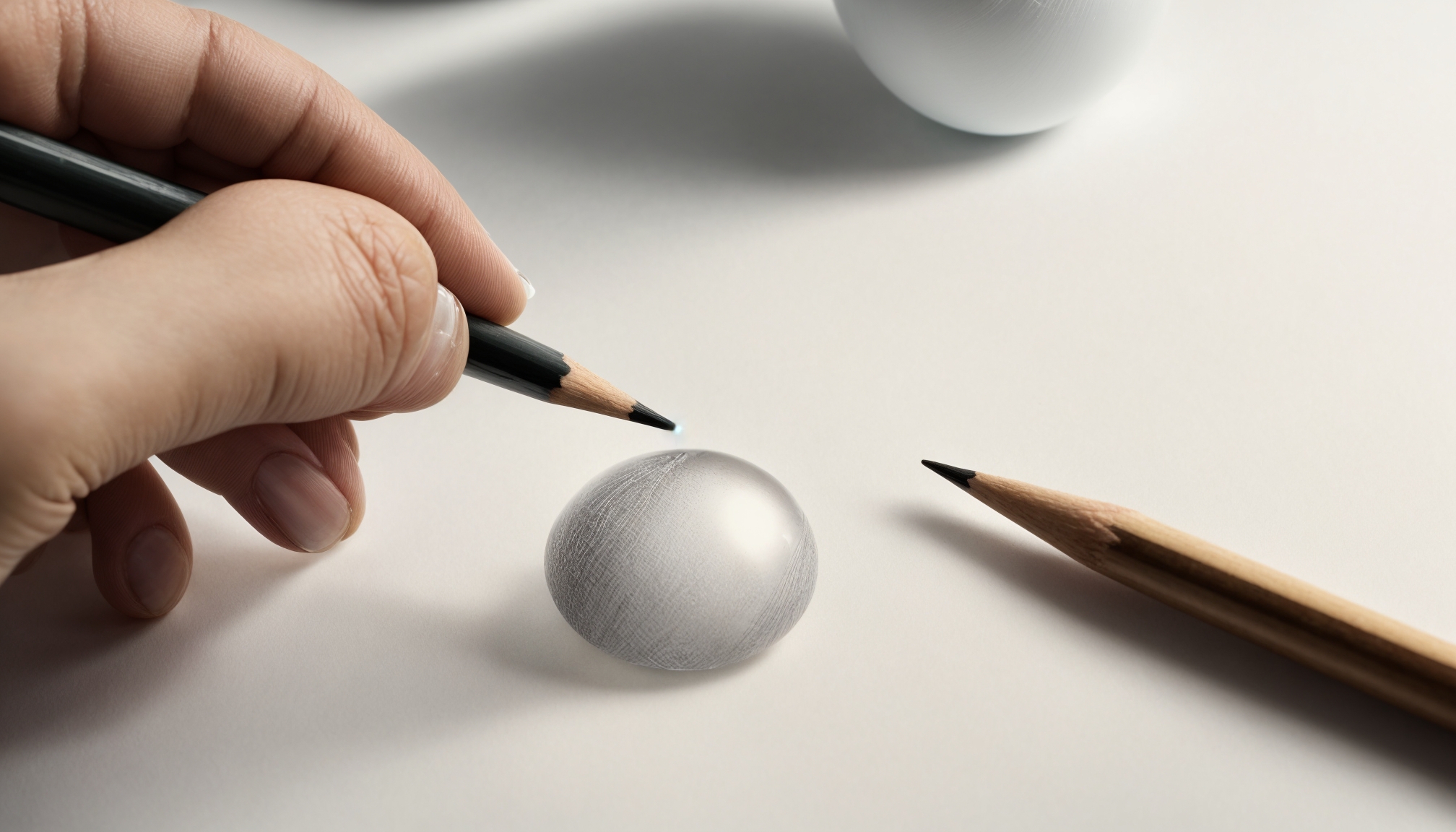
Top Tens Things – Artists who master realistic pencil shading techniques can instantly transform flat sketches into drawings that feel solid, dimensional, and full of atmosphere.
At its core, shading represents light and shadow on a surface. When you apply realistic pencil shading techniques with intention, every mark describes how light wraps around a form. Strong value control, clean transitions, and clear light direction help even simple objects look convincing and three-dimensional.
Think of shading as sculpting with graphite. Each stroke gently pushes a form forward or back in space. Because of this, your first task is not to focus on details. Instead, you should establish the main light source, the basic shadow shapes, and a clear separation between light and dark areas before adding subtle gradations.
Consistent practice with these principles builds confidence. Over time, your hand learns how much pressure to apply and how to vary your strokes to suggest different materials, from soft fabric to shiny metal.
Before adding texture or details, you need a solid value structure. Many artists create a simple value scale as a warm-up to refine their realistic pencil shading techniques. This scale usually includes a highlight, light mid-tone, mid-tone, dark mid-tone, and core dark. Training your eye to see these steps will make complex scenes easier to manage.
Begin by blocking in the darkest shadows with gentle layers rather than heavy pressure. Layering prevents shiny graphite spots and makes it easier to correct mistakes. After that, gradually bridge the gap between the darkest areas and the mid-tones, always keeping the lightest highlights almost untouched by the pencil.
Maintaining clean edges between light and shadow is crucial. Hard edges often indicate sharp corners or cast shadows, while soft edges describe curved forms. Understanding when to soften or sharpen a transition can dramatically improve realism.
Different strokes unlock different effects. Parallel hatching creates quiet, even tones. Cross-hatching adds richness and subtle variations. Circular or scribble shading offers smooth blends for skin and soft materials. When you combine these approaches, your realistic pencil shading techniques become far more flexible.
Grip also matters. Holding the pencil closer to the tip with a writing grip gives more control for detail and crisp lines. Holding it farther back and sideways helps lay down broad, soft tones. Switching between grips as you move from large shapes to fine details keeps your hand relaxed and your shading varied.
Because pressure control is vital, start each layer lightly. As the values deepen, slowly increase pressure or add softer leads. This layering prevents accidental dark spots and preserves the tooth of the paper for later refinements.
Every convincing drawing starts with a clear light source. Realistic pencil shading techniques fall apart if the light direction keeps changing. Decide whether light comes from above, the side, or behind, then make every shadow and highlight support that choice. This consistency anchors your subject in space.
Study basic forms such as spheres, cubes, cylinders, and cones. Each one displays predictable patterns of light: highlight, mid-tone, core shadow, reflected light, and cast shadow. By practicing these simple shapes, you train yourself to interpret more complex subjects like faces, folds, and architecture.
On the other hand, reflected light should remain subtle. Beginners often make reflected light too bright, which flattens the form. Keep it slightly lighter than the core shadow but clearly darker than the lit side to maintain volume.
Baca Juga: Panduan teknis lengkap dasar-dasar shading pensil
Once the major values are correct, texture brings character to your subject. With disciplined realistic pencil shading techniques, you can suggest rough stone, smooth glass, or soft hair using only variations in stroke direction, length, and spacing. Short, broken strokes hint at grainy surfaces, while long, even strokes suggest polished or silky materials.
Edge control separates professional-looking drawings from beginners’ work. Sharp edges around key focal points draw the viewer’s eye. Softer, lost edges in the background keep attention on the subject. Constantly ask where you want the viewer to look first, then adjust edge sharpness and contrast accordingly.
Erasers become drawing tools at this stage. A kneaded eraser can lift subtle highlights from mid-tone areas, while a precision eraser sharpens bright accents on reflective objects. Using subtraction as well as addition gives more control over final details.
Many artists press too hard, too early. This habit makes blending difficult and damages the paper surface. To refine your realistic pencil shading techniques, build darks through patient layering instead of force. Light, repeated passes create richer, more delicate tones.
Another frequent error is ignoring the background. A subject can look flat if it floats in empty white space. Introducing soft background values or simple shapes can help define the light source and strengthen the overall composition. Sementara itu, keeping the background less detailed than the subject maintains focus.
Smudging with fingers can also cause messy, uneven tones and oil marks. Use blending stumps, tissue, or soft brushes instead, and only after establishing solid pencil layers. Controlled blending keeps your structure intact while smoothing transitions.
Although foundational rules guide learning, your personal style evolves as you experiment. Some artists prefer crisp hatching and obvious strokes, while others chase ultra-smooth gradients. By pushing your realistic pencil shading techniques in different directions, you discover what best suits your sensibilities.
Studying masters, both classical and contemporary, reveals how varied shading can be. Meski begitu, copying alone is not enough. Combine observation with deliberate practice on life drawing, still lifes, and imaginative scenes to refine your unique approach.
With consistent effort, your control over light, shadow, and texture will grow. Eventually, your drawings will carry a signature look, and your realistic pencil shading techniques will allow every subject you choose to feel alive on the page.