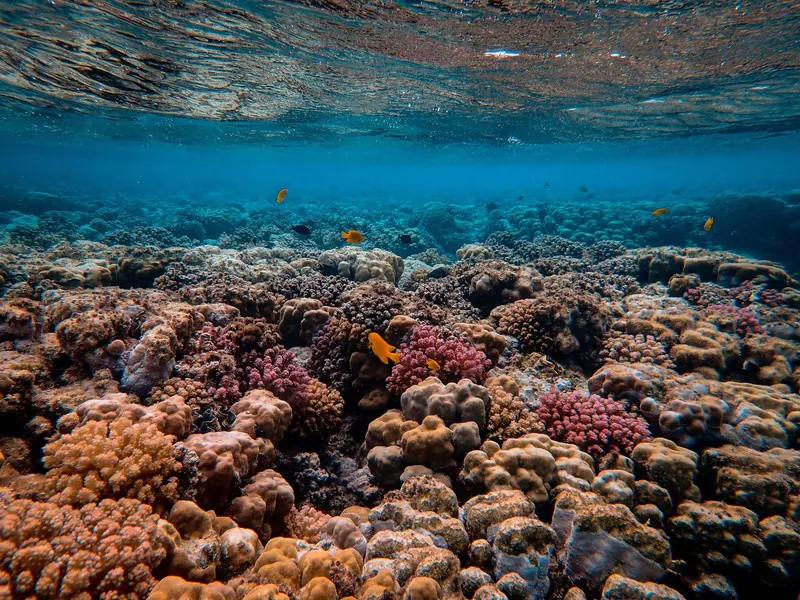
Top Ten Things – Coral reefs are often called the rainforests of the sea due to their incredible biodiversity and ecological importance. Consequently, they support a vast array of marine species and provide essential benefits to human communities. Moreover, these vibrant underwater ecosystems play a vital role in maintaining ocean health, climate stability, and economic well-being. Therefore, understanding their value helps encourage stronger conservation efforts worldwide.
“Read More: 10 Healthy Foods to Gain Weight for Vegans, high Calories Plant Foods”
Coral reefs host thousands of species, from colorful fish to intricate coral formations. Moreover, each species plays a unique role in the food chain, ensuring ecosystem stability. Consequently, reefs rival the biodiversity found in tropical rainforests, making them critical hotspots of life.
The complex structure of coral reefs acts as a shield against waves and storm surges. In addition, this natural defense reduces coastal erosion and safeguards human settlements. Moreover, healthy reefs can absorb up to 97% of wave energy during severe storms.
“Read About: Imersive Audio Technology Transforming the Future of Storytelling in Podcasts”
Many fish and invertebrates begin their lives in the shelter of coral reefs. Consequently, these areas provide food, protection, and optimal conditions for growth. Moreover, without these nurseries, commercial and subsistence fishing would face severe declines.
Coral reef organisms have contributed to the development of medicines for cancer, HIV, and other diseases. In addition, ongoing research continues to uncover new compounds with potential medical uses. Moreover, protecting reefs ensures this natural pharmacy remains available for future discoveries.
Reefs support fisheries that feed millions of people worldwide. Consequently, they play a crucial role in sustaining coastal economies and cultures. Moreover, their productivity helps meet the protein needs of many developing nations.
Snorkeling, diving, and eco-tourism generate billions of dollars annually for countries with coral reefs. In addition, these industries create jobs and support local businesses. Moreover, healthy reefs attract tourists seeking unique and memorable natural experiences.
Coral reefs contribute to carbon cycling by storing carbon in their calcium carbonate skeletons. Consequently, they help offset greenhouse gas emissions. Moreover, this function links reef conservation directly to climate change mitigation strategies.
For many coastal and island cultures, coral reefs hold deep cultural and spiritual meaning. In addition, they are woven into traditions, stories, and community identities. Moreover, their preservation supports the continuation of these cultural heritages.
Coral reefs respond quickly to changes in water temperature, acidity, and pollution levels. Consequently, they serve as early warning systems for broader ocean health issues. Moreover, monitoring reefs can guide policymakers in implementing timely environmental protections.
Threats such as overfishing, climate change, and pollution put coral reefs at risk. In addition, global cooperation is essential to restore degraded reefs and protect healthy ones. Therefore, coordinated action ensures these ecosystems remain vibrant for future generations.
Top Ten Things - A recent survey by Global Lifestyle Institute shows 68% of millennials seek concrete data to upgrade…
Top Ten Things - A recent survey by WWF 2023 revealed that 68% of urban dwellers consider wildlife knowledge essential…
Top Ten Things - The global fascination with high‑performance vehicles has surged, with 2023 sales of luxury sports cars hitting…
Top Ten Things - A recent survey by GlobalWebInsights 2024 reveals that 68% of net users admit mimicking at least…
Top Ten Things - The global entertainment sector generated over $2.5 trillion in 2023, fundamentally rewriting how consumers eat, dress,…
Top Ten Things - Recent financial audits reveal a disturbing trend in modern consumer behavior where the average individual loses…