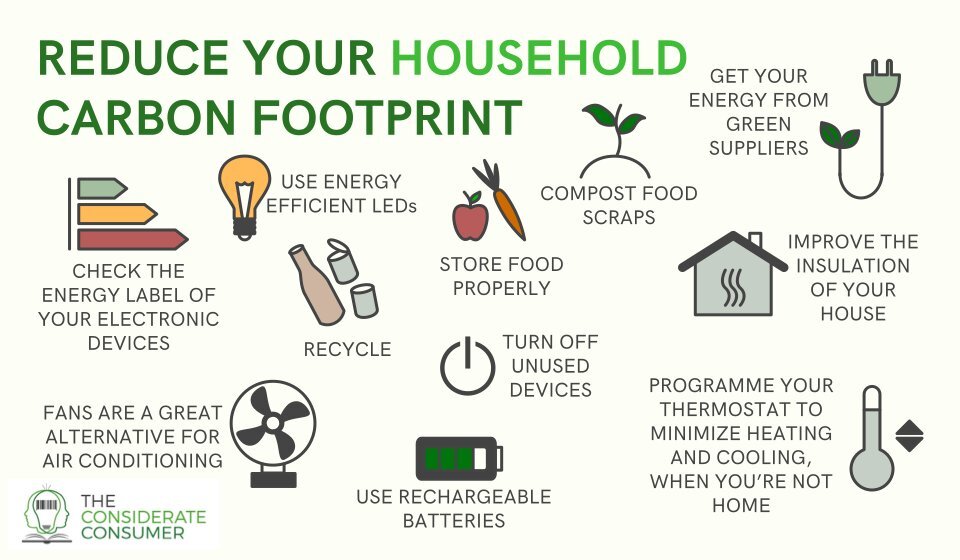
Top Ten Things – Top 10 sustainable choices to reduce your carbon footprint are simple yet impactful steps everyone can take. Climate change threatens ecosystems and communities, so individual action matters. Small lifestyle changes—like consuming less energy or choosing better products—add up over time. Many people are surprised how much of a difference their daily habits make. By being mindful, we help protect the planet for future generations.
“Read More: Adobe Firefly Image Model 4 and 4 Ultra, AI Image Makers that Are More Realistic”
Using renewable energy reduces emissions from fossil fuels significantly. Many utility companies offer green electricity plans powered by wind, solar, or hydro. Some households install rooftop solar panels to generate their own clean power. Though it costs upfront, switching to renewable sources saves money in the long run. It also sends a message to energy providers about demand for sustainability.
Transportation is one of the biggest carbon contributors. Leaving the car at home and walking or cycling helps cut emissions instantly. Short trips can easily be replaced with bikes or public transit. Carpooling with neighbors or coworkers also lowers your footprint. Moving more on foot keeps you healthy while helping the planet breathe. Every mile avoided makes a difference.
“Read About: Top 10 K-Drama Series Breaking Global Streaming Records in 2025”
The food you eat affects your footprint more than you think. Livestock farming generates huge amounts of methane and uses lots of land. Replacing some meat-heavy meals with vegetables, grains, and legumes lowers demand on resources. Even committing to one or two plant-based days a week reduces greenhouse gases. Eating locally grown produce makes an even bigger impact.
Cutting down waste is a cornerstone of sustainable living. Buy fewer disposable products and reuse bags, bottles, and containers. Recycling properly ensures materials stay in the loop instead of ending up in landfills. Repairing clothes or electronics before throwing them out also saves energy. By being more resourceful, you help conserve materials and lower emissions.
Water treatment and pumping consume a lot of energy. Simple actions like fixing leaks, turning off taps, and installing low-flow fixtures help conserve water. Collecting rainwater for gardens or washing cars cuts down on municipal water use. Efficient irrigation in yards also prevents waste. Every drop saved reduces strain on local supplies and energy systems.
If you can’t avoid driving, choose a more sustainable vehicle. Electric cars produce far fewer emissions than gasoline-powered ones. Hybrid models are another good choice for longer trips. Trains and buses also offer lower emissions per passenger compared to flying. When traveling far, consider carbon offset programs to balance the impact of your trip.
Where you spend your money sends a powerful signal. Choose brands that prioritize ethical sourcing, renewable energy, and responsible production. Look for certifications like Fair Trade, organic, or carbon-neutral when shopping. Supporting these businesses encourages others to adopt greener policies. Consumers can drive corporate change through everyday purchases.
Household energy use is a major contributor to emissions. Switch off lights and appliances when not in use. Upgrade to LED bulbs and energy-efficient appliances. Improve insulation to keep heating and cooling more efficient. Even lowering your thermostat by a few degrees saves energy. Small habits in the home reduce your carbon footprint every single day.
Trees absorb carbon dioxide and improve air quality around your home. Planting native trees, shrubs, and even rooftop gardens helps offset emissions. Community tree-planting events also bring people together for a good cause. Greening your yard or balcony cools the area and supports biodiversity. Nature is a powerful ally in the fight against climate change.
Individual choices matter, but collective action multiplies the effect. Support policies that promote clean energy, conservation, and emission reductions. Talk to friends and family about the benefits of sustainable living. Join local groups pushing for environmental reforms in your area. Educating others helps build a culture of responsibility and progress.
Top Ten Things - A recent survey by Global Lifestyle Institute shows 68% of millennials seek concrete data to upgrade…
Top Ten Things - A recent survey by WWF 2023 revealed that 68% of urban dwellers consider wildlife knowledge essential…
Top Ten Things - The global fascination with high‑performance vehicles has surged, with 2023 sales of luxury sports cars hitting…
Top Ten Things - A recent survey by GlobalWebInsights 2024 reveals that 68% of net users admit mimicking at least…
Top Ten Things - The global entertainment sector generated over $2.5 trillion in 2023, fundamentally rewriting how consumers eat, dress,…
Top Ten Things - Recent financial audits reveal a disturbing trend in modern consumer behavior where the average individual loses…